
Introduction
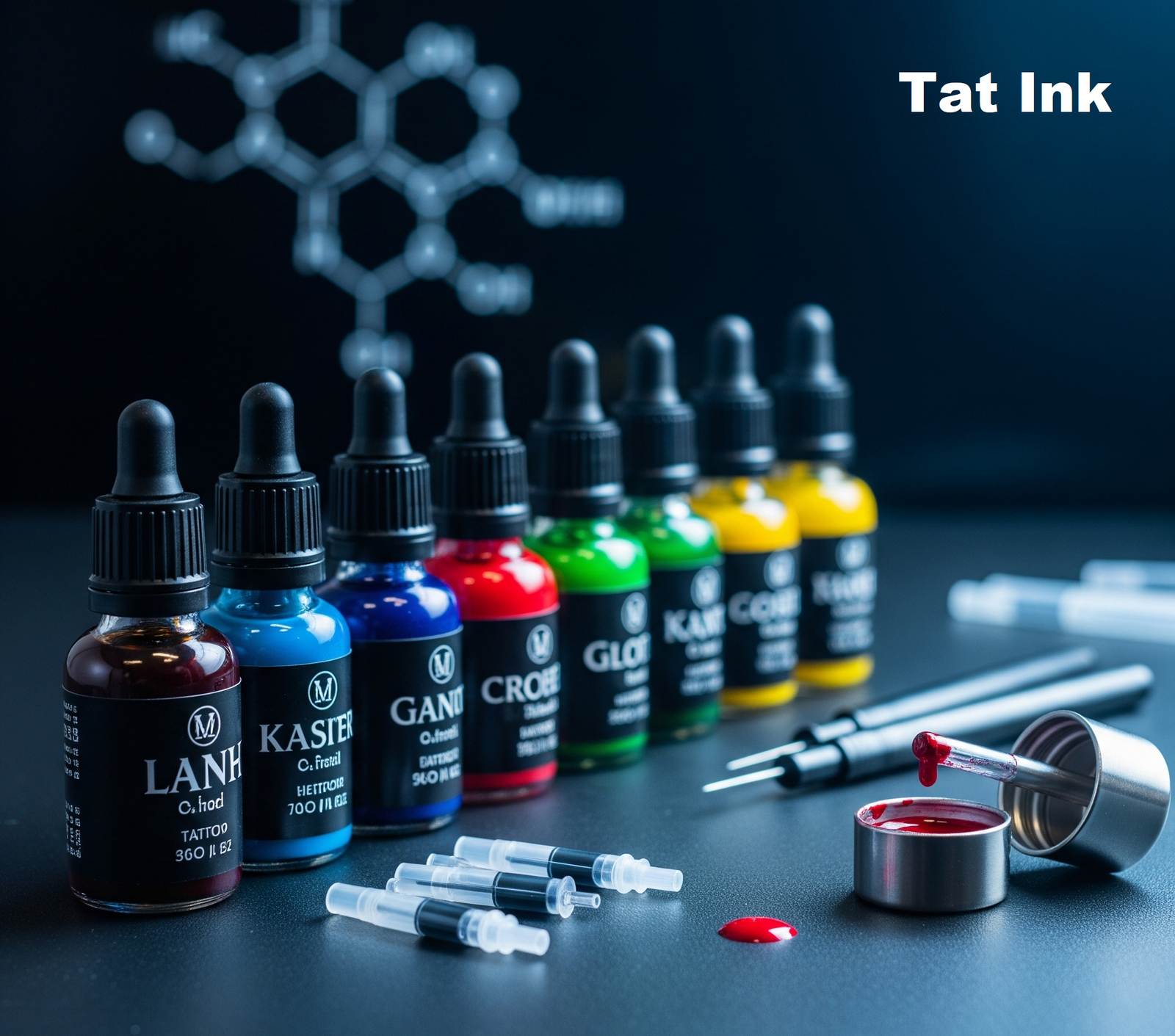
For thousands of years, tattoos have been a powerful form of personal expression, art, and cultural identity. While the core idea of a tattoo implanting ink into the skin has remained the same, the technology behind the ink itself has evolved dramatically. Today, tattoo ink is more than just pigment and water; it’s a sophisticated, engineered compound designed for safety, longevity, and vibrancy. As the industry grows, understanding what goes into modern tattoo ink is crucial for both artists and clients. The term Tat Ink, while not a single brand, represents this modern leap in tattoo technology. It encompasses the latest innovations that are making tattoos brighter, safer, and more durable than ever before.
This comprehensive guide will take a deep dive into the world of modern tattoo ink. We will explore the science behind how it works, the different types available today, and the critical factors that make an ink safe and effective. We will explain everything in simple, easy-to-understand language, helping you make informed decisions about the art you put on your body.
1. What is Tattoo Ink? More Than Just Color
At its core, tattoo ink is a fluid mixture designed to be permanently deposited into the dermis, the second layer of the skin. It consists of two primary components: pigment and a carrier liquid.
The Core Components: Pigment and Carrier
- Pigment: This is the substance that gives the ink its color. Pigments are very fine powders that are insoluble in the carrier liquid. They can be sourced from various materials:
- Inorganic Pigments: These are mineral-based and often come from metal salts. They are known for their stability and are commonly used in black and earthy tones (e.g., carbon black, iron oxides).
- Organic Pigments: These are synthetic, carbon-based compounds. They are responsible for the vibrant and bright colors we see in modern tattoos (e.g., azo dyes, quinacridone).
- Carrier Liquid: This is the liquid that suspends the pigment. Its main job is to carry the pigment from the needle into the skin. Common carrier ingredients include purified water, glycerin (to keep the mixture smooth), ethanol (to act as a sterilizing agent), and witch hazel (for its soothing properties). The quality of the carrier liquid is crucial for the ink’s consistency and safety.
How Tattoo Ink Works
When a tattoo needle punctures the skin, it delivers the ink into the dermis. The body’s immune system recognizes the pigment particles as a foreign substance. It sends immune cells to the area, but because the pigment particles are too large to be carried away, they are trapped in the skin forever. The color is then visible through the top layer of the skin, creating the tattoo.
2. The Science of Safety and Regulation
The safety of tattoo ink is a major concern, as it is injected directly into the body. Modern inks are developed with a focus on minimizing health risks.
Key Safety Concerns
- Allergic Reactions: The most common immediate concern is an allergic reaction to certain pigments, especially red and yellow pigments, which often contain synthetic organic compounds. Symptoms can include itching, swelling, and rashes.
- Infections: While rare in a professional studio, an infection can occur if the ink itself is contaminated. This can happen if the ink is not produced in a sterile environment or if it is mixed with non-sterile water.
- Heavy Metals and Toxins: Unregulated or low-quality inks can contain heavy metals like lead, cadmium, and arsenic, which can pose long-term health risks.
- Pigment Migration: Research has shown that over time, pigment particles can migrate from the skin to the lymph nodes. While the long-term health effects of this are still being studied, it emphasizes the importance of using high-quality, body-safe pigments.
Regulation and Quality Standards
Tattoo ink is not as strictly regulated as food or medicine in most countries. However, stricter regulations are emerging, particularly in the European Union (EU) through its REACH regulation, which has banned or restricted many harmful chemicals.
- Reputable Brands: Tattoo artists are encouraged to use inks from reputable brands that provide ingredient lists and are transparent about their manufacturing processes.
- Sterilization: High-quality inks are sterilized (often with gamma radiation) to ensure they are free from bacteria and other contaminants.
- Ingredient Transparency: Many modern ink manufacturers are now transparent about their ingredients, avoiding harmful compounds and focusing on creating safe formulations.
3. Types of Modern Tattoo Inks
The market today offers a variety of ink types, each with its own characteristics and benefits.
Traditional Tattoo Ink
- Description: The classic inks that have been used for decades. They are known for their bold and bright colors and a thick consistency.
- Composition: Often a mix of inorganic and organic pigments with a variety of carrier fluids.
- Pros: Known for their vibrancy and longevity. They have stood the test of time.
- Cons: Some traditional inks may contain heavy metals or other compounds that are now being restricted.
Vegan Tattoo Ink
- Description: Vegan inks are a growing category that are completely free of animal-derived products.
- Composition: Pigments are plant-based or synthetic, and the carrier liquid does not contain animal products like glycerin or bone char (sometimes used in black inks).
- Pros: A great choice for clients with ethical concerns. They are generally considered safer for people with sensitive skin and a good alternative for those who wish to avoid animal products.
- Cons: Some early vegan inks had issues with longevity, but modern formulations are just as vibrant and durable as traditional inks.
Semi-Permanent and Temporary Inks
- Description: These inks are designed to fade over time. They are often used for cosmetic tattoos (like eyebrows or lip liners).
- Composition: They use different types of pigments and carrier fluids that are designed to break down and be absorbed by the body.
- Pros: They are not permanent, which is ideal for those who want to change their look.
- Cons: They do not last, and the fading can sometimes be uneven or change color.
4. Why Artists and Clients are Choosing Modern Inks
The advancements in tattoo ink technology are providing clear benefits for everyone involved.
For Tattoo Artists
- Reliability and Consistency: Modern inks are well-homogenized, meaning the pigments and carrier are perfectly mixed. This results in a smooth, consistent flow and a more predictable tattooing experience.
- Expanded Palette: The development of synthetic organic pigments has given artists access to an almost infinite range of vibrant, bold, and long-lasting colors.
- Safety and Trust: Using a high-quality, regulated ink brand gives artists peace of mind and builds trust with their clients, who are increasingly aware of ink safety.
For Clients
- Vibrant and Long-Lasting Tattoos: Modern inks are designed to resist fading from UV light, ensuring tattoos remain vibrant and clear for years.
- Reduced Allergic Reactions: By avoiding harmful ingredients and focusing on body-safe formulations, modern inks reduce the risk of allergic reactions and skin irritation.
- Ethical Options: Clients who prefer cruelty-free products can now choose from a wide range of high-quality vegan inks.
5. Frequently Asked Questions (FAQs)
Is Tat Ink a specific tattoo brand?
No, “Tat Ink” is not a specific tattoo ink brand. It’s a general term that refers to the modern, high-quality inks used in tattooing today. The market is dominated by reputable brands like Eternal, Intenze, Solid, and Dynamic.
Do all tattoos fade over time?
Yes, all tattoos will experience some degree of fading over time. However, the rate of fading depends on the quality of the ink, the skill of the artist, sun exposure, and the individual’s skin type.
Is it possible to have an allergic reaction to a tattoo?
Yes, it is possible. Allergic reactions are usually to the pigment in the ink, with red and yellow inks being the most common culprits. This is why artists use reputable brands with transparent ingredient lists.
Is there a difference between tattoo ink and cosmetic tattoo pigments?
Yes. Cosmetic pigments are designed to be less concentrated and to fade over time, which is useful for areas like eyebrows and lip liners. Traditional tattoo inks are much more concentrated and are designed for permanence.
Are vegan inks less permanent than traditional inks?
No. Modern vegan inks are formulated to be just as vibrant and long-lasting as traditional inks. The difference is in their ingredients, not their durability.
Conclusion
In conclusion, the world of tattoo ink has evolved significantly, moving from simple pigments to sophisticated, scientifically-backed formulations. The concept of Tat Ink represents this modern era of tattooing, where safety, quality, and artistic versatility are paramount.
For both artists and clients, understanding the science behind the ink, the difference between modern types, and the importance of using high-quality, regulated brands is crucial. By choosing an ink that is safe, reliable, and vibrant, you ensure that the art you create or wear is not only beautiful but also a safe and lasting masterpiece.